

The Geometry of Hope: Kim Weir and the Power of the Inaugural Mission
There is a unique energy to being "the first." It’s a mix of adrenaline, uncertainty, and the profound weight of setting a precedent. In 2025, Kim Weir stepped into that energy as a key participant in the inaugural MTIMA and Canadian Society of Echocardiography (CSE) medical mission to Malawi.
Before her boots hit the red soil of Blantyre, Kim grappled with the question that haunts nearly every altruist who looks at the staggering statistics of global health inequality: Amidst a population of 20 million with minimal access to cardiac care, can my single contribution actually matter? Or am I just a drop in an ocean of need?
Over the course of two intense weeks, in the high-pressure environment of Queen Elizabeth Central Hospital (QECH), Kim didn’t just find her answer—she helped engineer it.
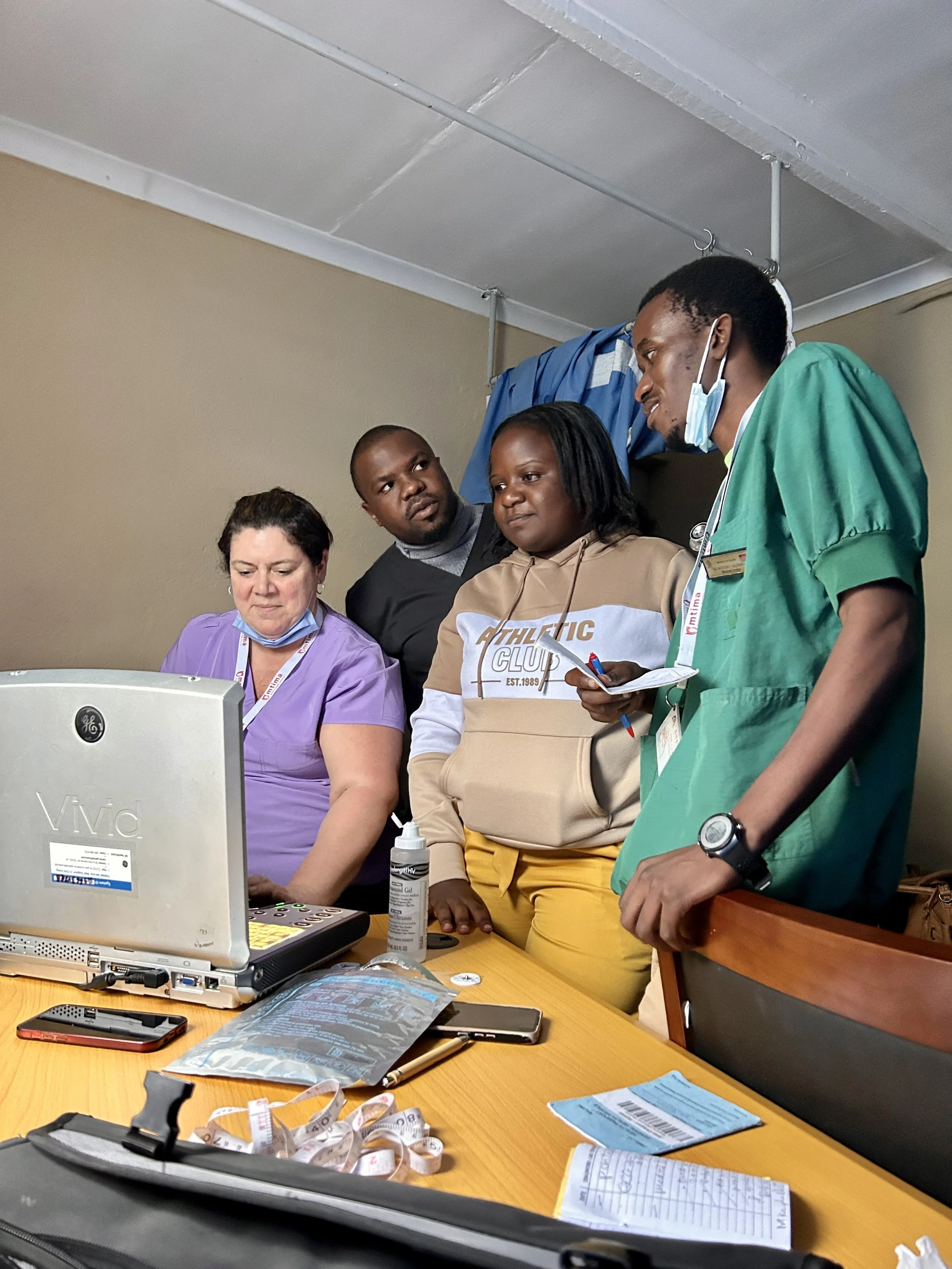
Kim teaching residents.
The Ground Floor of Change
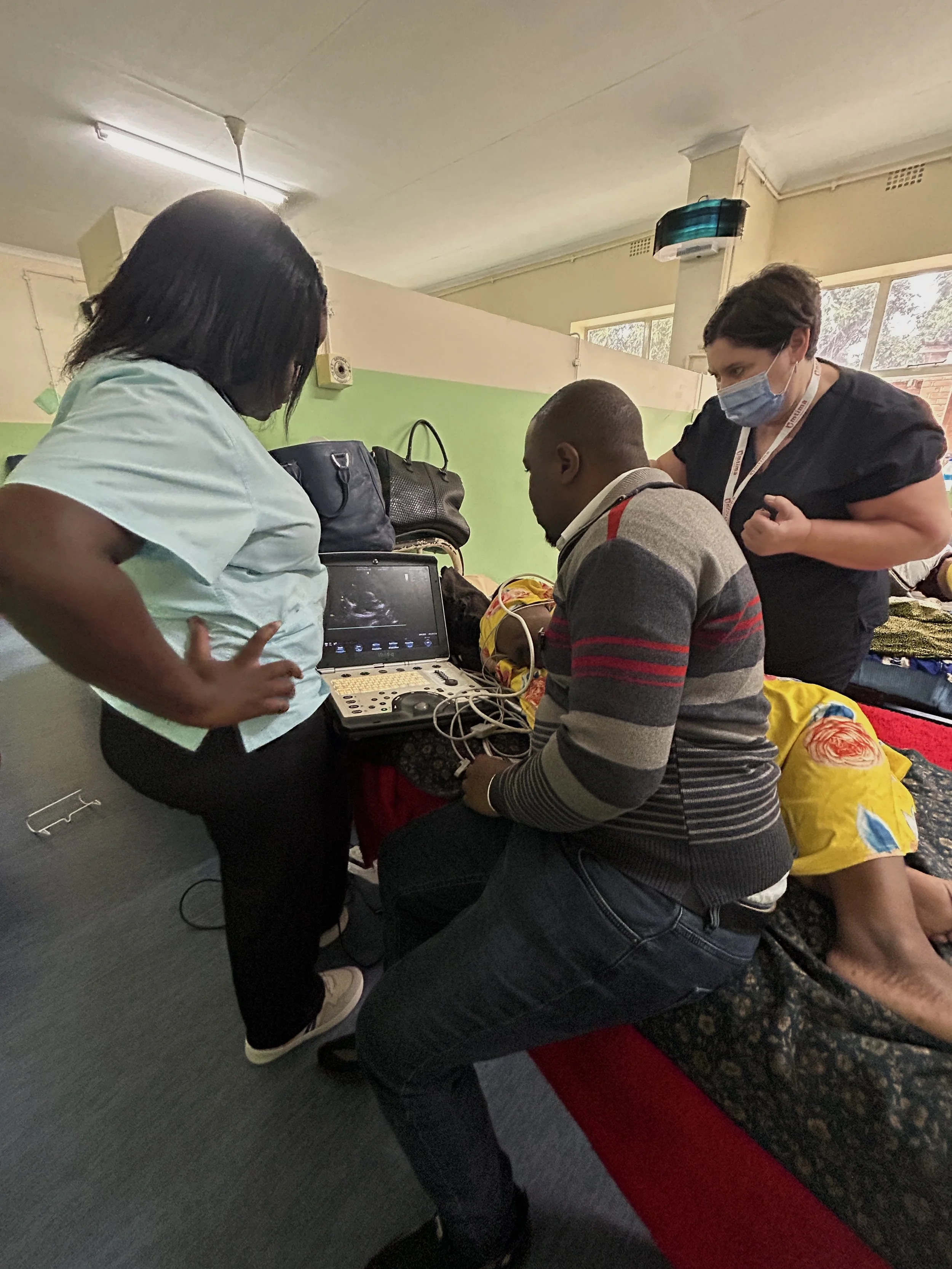
Kim’s mission wasn't about performing miracles in isolation; it was about the intricate, crucial work of cardiac sonography. In the world of heart health, the sonographer is the cartographer. They map the terrain of the heart, turning sound waves into clear images that tell surgeons exactly where the problem lies. Without an accurate map, you cannot navigate the cure.
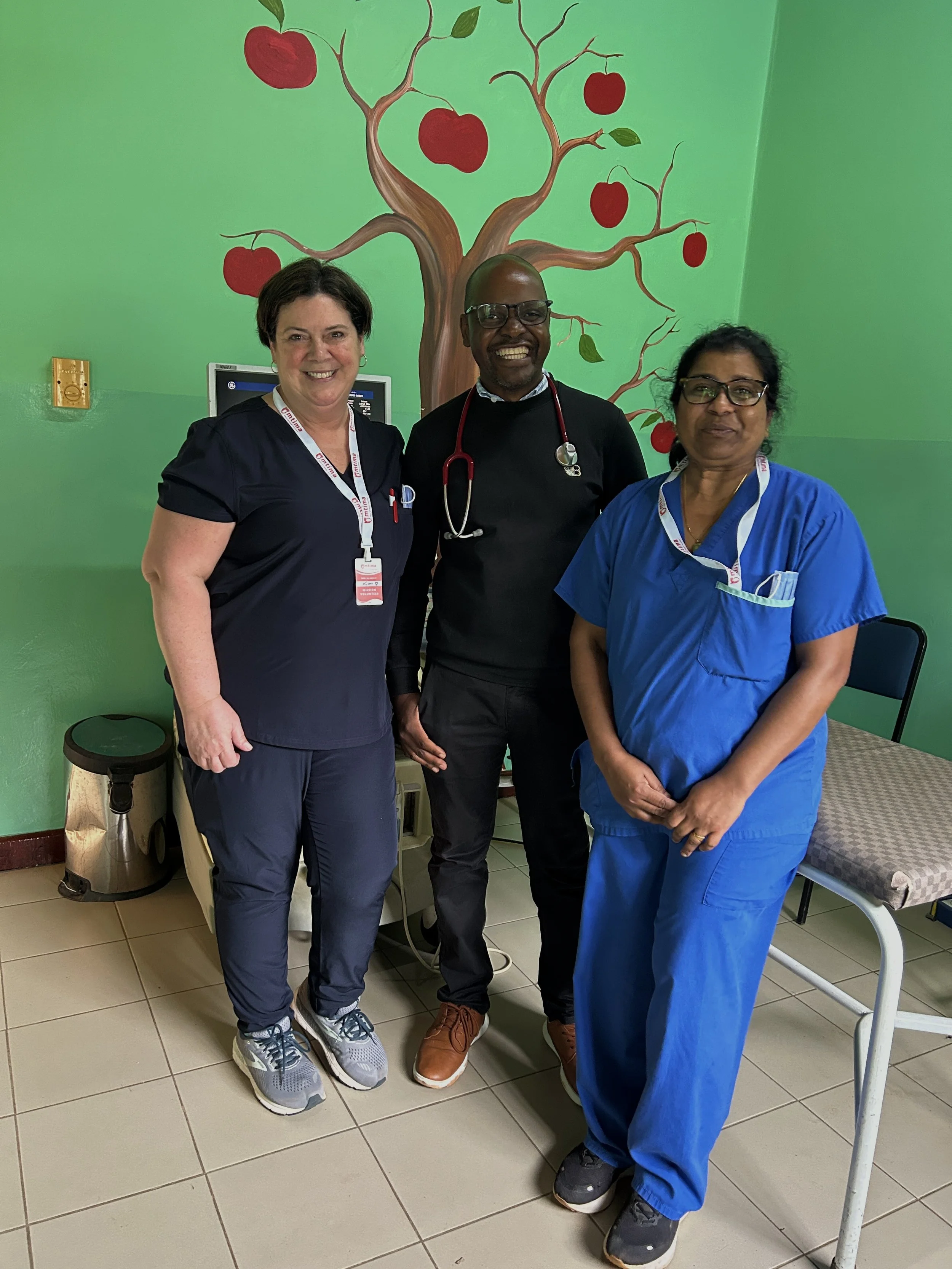
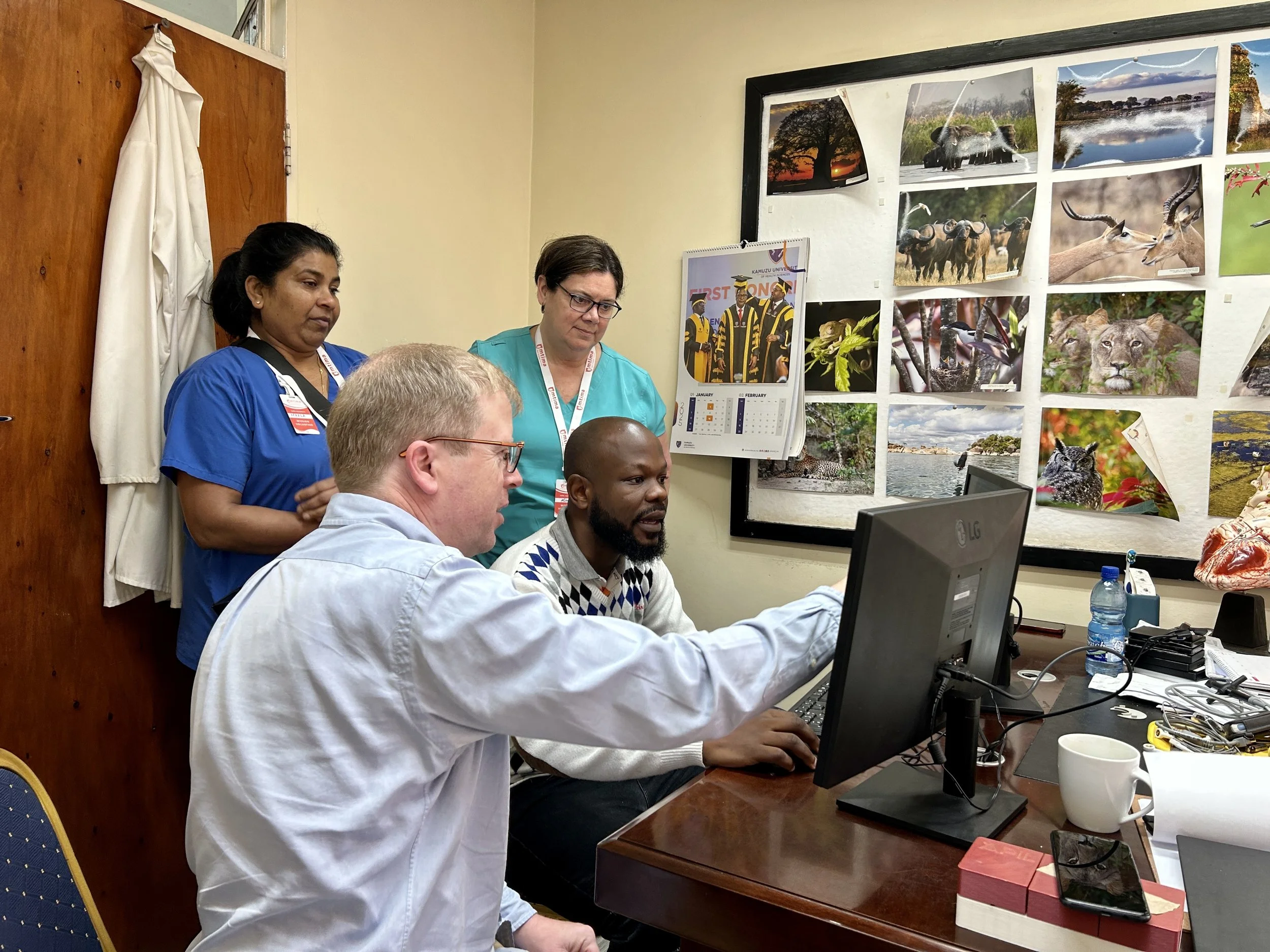
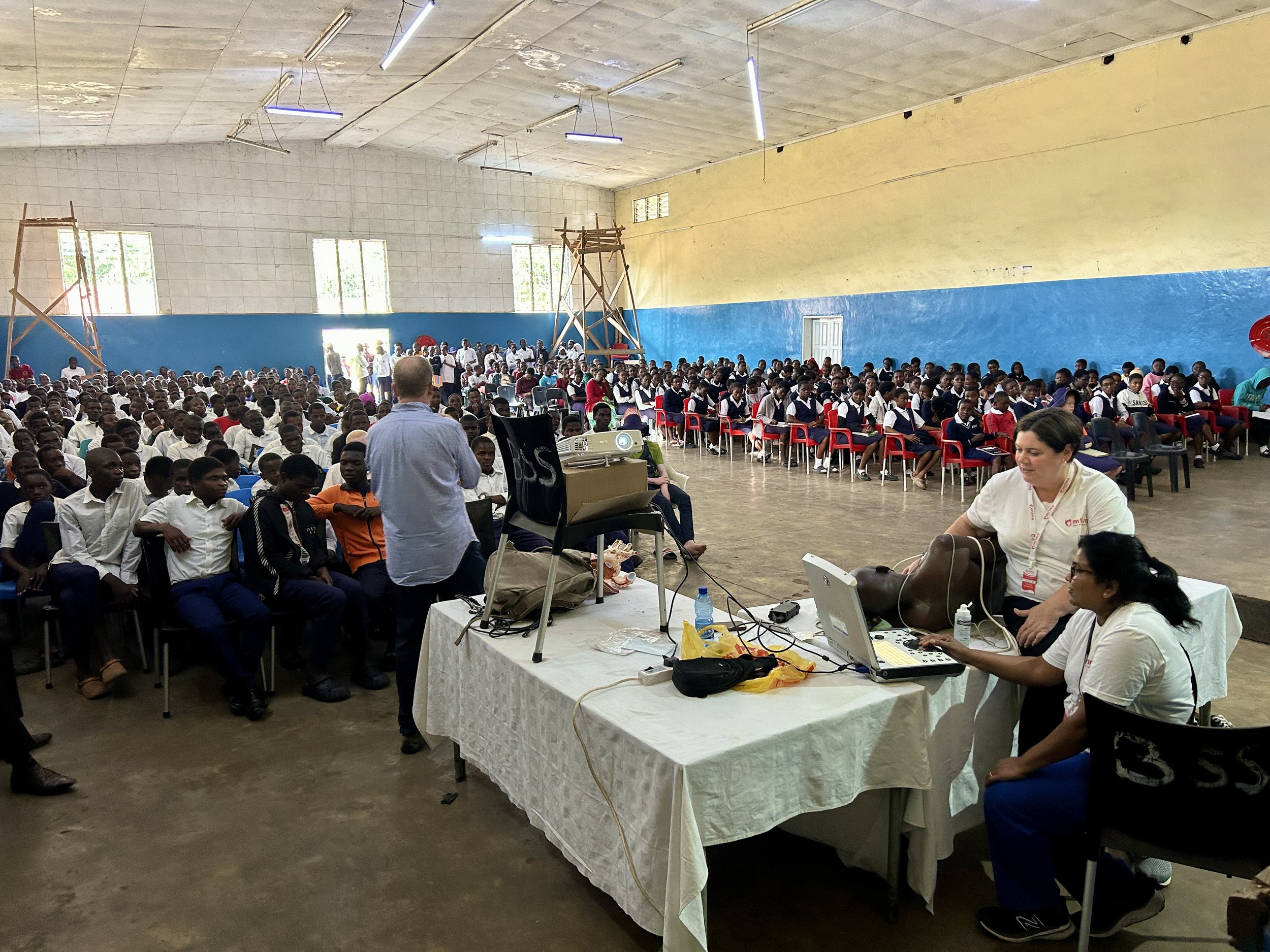
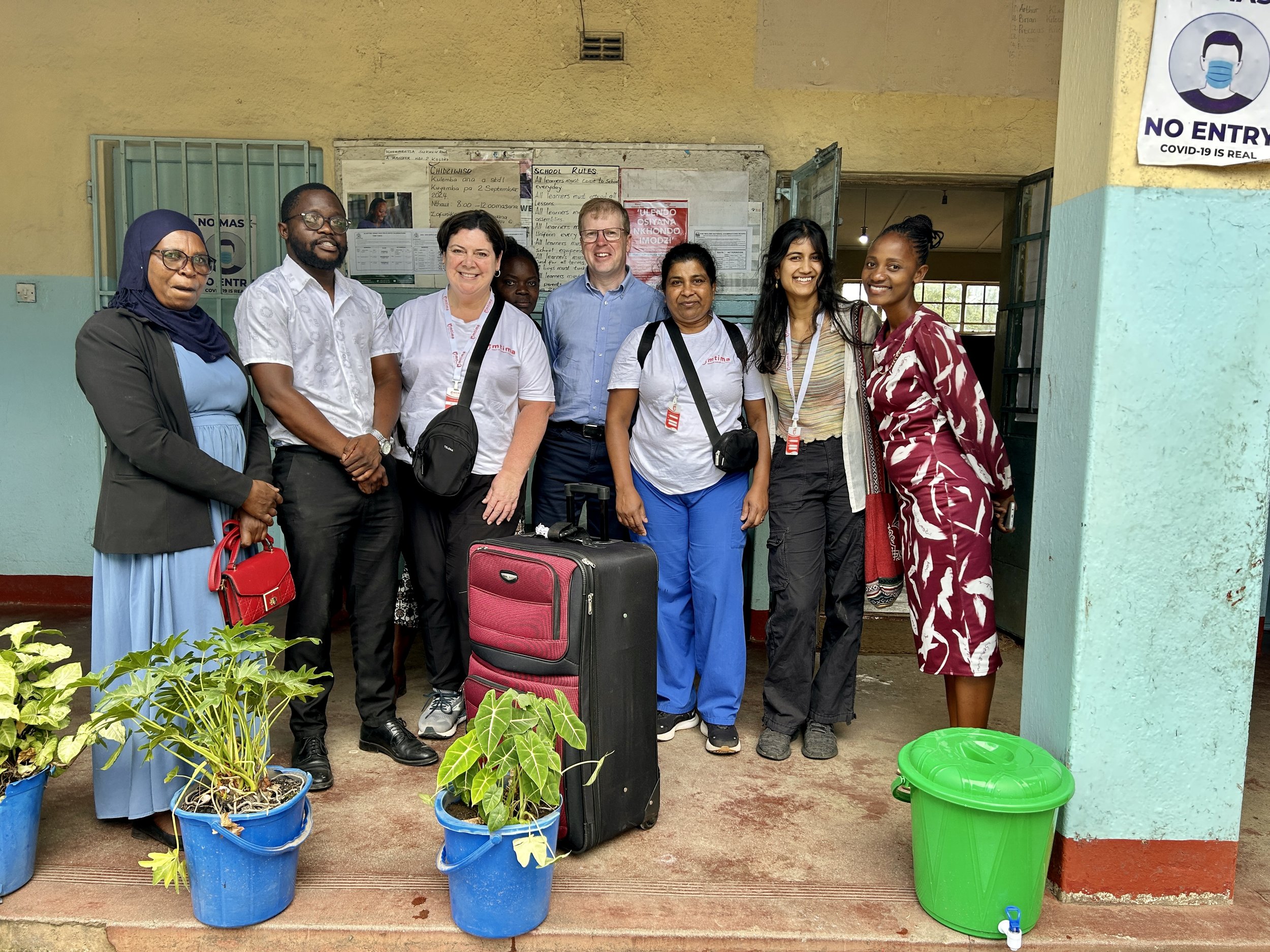
At QECH, Kim worked shoulder-to-shoulder with Dr. David McCarty and an eager, resilient team of local Malawian staff. The days were long and the learning curve steep. The goal wasn't just to scan patients to clear the daunting backlog—though they did that, too. The primary goal was to ensure that when Kim left, the skills stayed put.
She treated every scan as a cumulative teaching event. It was about honing the angle of the transducer, recognizing the subtle shadows of pathology, and translating grainy images into decisive clinical reports. In a resource-limited setting, these skills aren't just technical advantages; they are life-saving necessities.
Moving the Needle
Fourteen days might seem like a heartbeat in the lifespan of a nation’s healthcare system. But Kim witnessed how focused expertise acts as a force multiplier.
She saw how a $6,000 bursary—the "lever" that makes these missions possible—translates directly into clinical competence that will serve thousands of patients for years to come. By the end of the mission, the doubt was gone. Kim realized that they hadn't just visited; they had "moved the needle forward." They proved that while one person can't fix everything, the right person, with the right skills, at the right time, can start a ripple effect that changes the future.
In Her Own Words: A Reflection from the Field
The impact of this inaugural mission is best understood through the eyes of those who lived it. In this video, Kim reflects on the profound professional collaboration at Queen Elizabeth Hospital and the emotional realization that their work has laid a permanent foundation for growth.
Watch Kim’s inspiring testimony on why this experience was "a blessing" she will remember forever:
The MTIMA Message: Competence is Permanent
Kim’s story is a testament to the power of targeted action. MTIMA missions aren't about temporary relief; they are about permanent empowerment. When you support volunteers like Kim, you aren't just funding a trip; you are funding the transfer of knowledge that stays behind long after the flights depart.
Help us keep moving the needle. Support the next MTIMA mission today.